Plant Lexicon

Seven plants.
One living wall.

Every plant in your Hotchin display was carefully selected for its beauty, ease of care, and ability to thrive in community. Here you'll find all the details on origin, characteristics and optimal care.

7 plant species
100% Real plants
2 weeks without watering
Dracaena fragrans 'Lemon Surprise'Dragon Tree / Lemon Surprise Philodendron 'Florida Green'Florida Green Philodendron Philodendron micans 'Lime'Velvet Philodendron / Lime Micans Chamaedorea elegansParlour Palm / Neanthe Bella Palm Philodendron tortumFern-leaf Philodendron / Tortum Scindapsus pictusSatin Pothos / Silver Pothos Scindapsus Treubii 'Moonlight'Moonlight Scindapsus / Sterling Silver Scindapsus
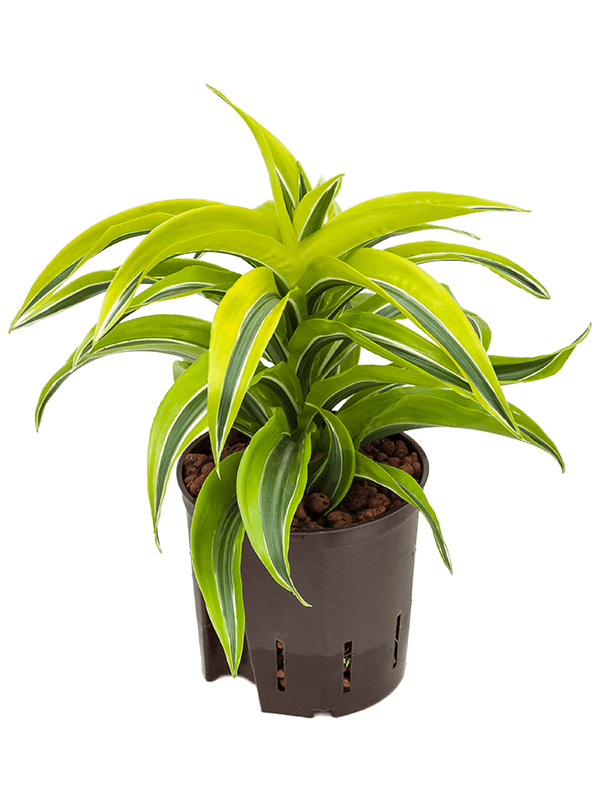
Dracaena fragrans 'Lemon Surprise'

Dracaena fragrans 'Lemon Surprise'

Dragon Tree / Lemon Surprise

FamilyAsparagus family (Asparagaceae)
OriginTropical Africa
Difficulty
●○○○○
Very easy
Light needs
●●○○○
Moderate
Water needs
●○○○○
Low

Description

Dracaena fragrans 'Lemon Surprise' is a real eye-catcher with its long, upright leaves in bright lime-green with pale striping. The slightly twisted growth habit gives it a dynamic character of its own. In the Living Plant Display it sets a vertical, luminous accent that beautifully complements the deeper green tones of its neighbours. Exceptionally long-lived and low-maintenance — ideal for beginners.

Care instructions

LightBright to moderate indirect light. Avoid direct midday sun. With too little light the variegation fades.
WateringModerate — let the top 2–3 cm of soil dry out. Sensitive to waterlogging. The EPD capillary system doses ideally.
Temperature18–28 °C. Never below 15 °C. Sensitive to draughts and direct heating air.
HumidityModerate — tolerates normal indoor air. Benefits from the elevated humidity inside the EPD community system.
FertilisingFrom March to September every 4–6 weeks with a green-plant fertiliser at half dose. Pause in winter.
Special note: NASA-certified air-purifying plant — filters formaldehyde, benzene and trichloroethylene. Can live for decades.
Toxicity: Toxic to dogs and cats. Not suitable for small children.
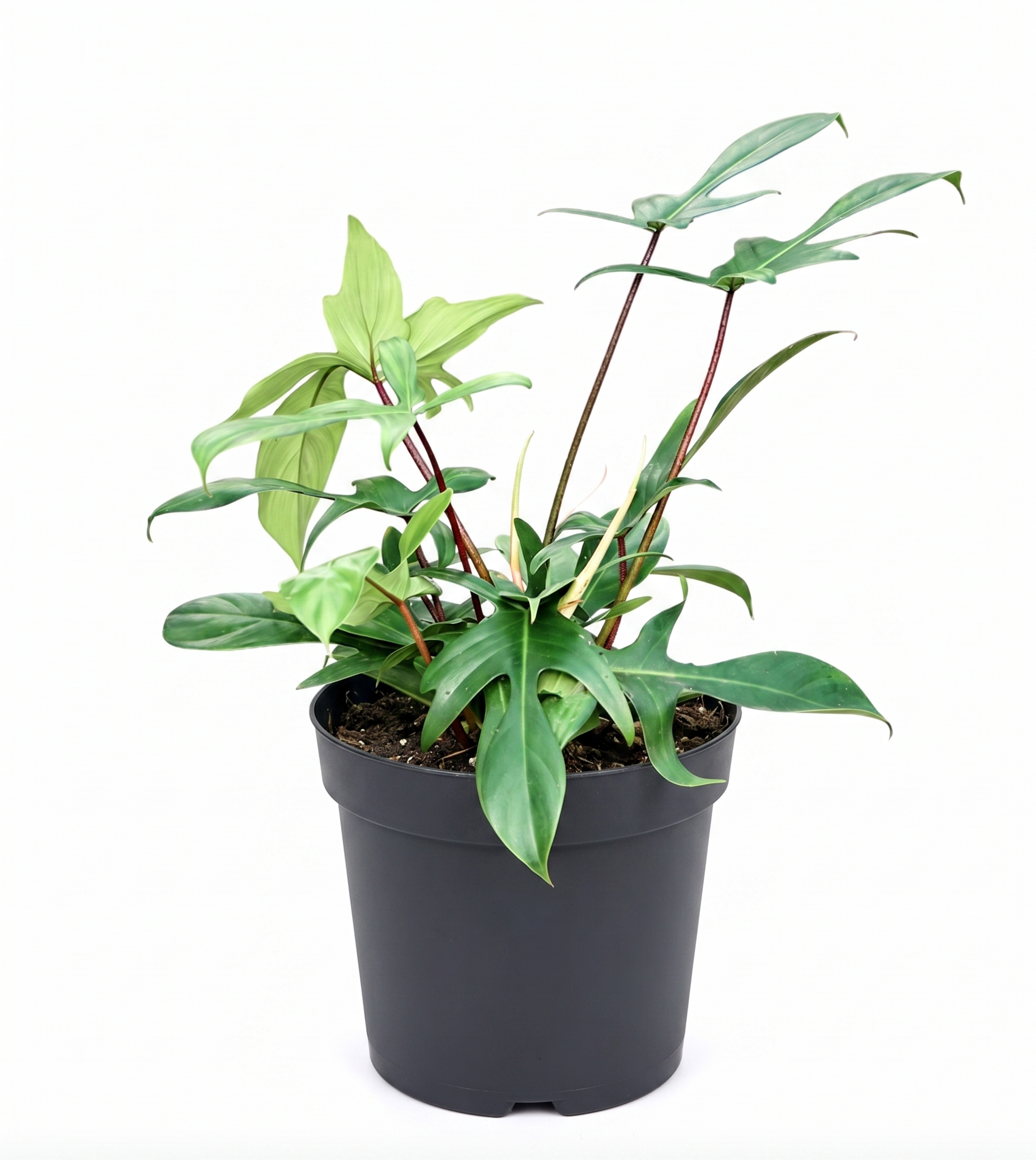
Philodendron 'Florida Green'

Philodendron 'Florida Green'

Florida Green Philodendron

FamilyArum family (Araceae)
OriginTropical South America
Difficulty
●●○○○
Easy
Light needs
●●○○○
Moderate
Water needs
●●●○○
Moderate to medium

Description

Philodendron 'Florida Green' is one of the most decorative Philodendron varieties, with strikingly deeply lobed leaves. The large, glossy leaves are reminiscent of an oak leaf — pleasingly bright green and naturally elegant. In the Living Plant Display it adds generous, sculptural accents and brings tropical depth to the composition. It grows especially lushly inside the community system.

Care instructions

LightBright to moderate indirect light. Also tolerates partial shade — growth then slows slightly. Avoid direct midday sun.
WateringKeep evenly moist, let the top layer of soil dry out slightly. Very robust — copes excellently with the EPD capillary system.
Temperature18–30 °C. Robust and adaptable. Never below 12 °C. Tolerates dry heating air relatively well.
HumidityPrefers elevated humidity but also thrives in normal indoor air. Benefits in the EPD from neighbouring plants.
FertilisingFrom March to September every 4 weeks with a green-plant fertiliser. Fast-growing — needs regular nutrients for large leaves.
Special note: The deeply lobed leaf shape only develops with age — young plants have simpler, oval leaves.
Toxicity: Toxic — contains calcium oxalate. Not suitable for children and pets.
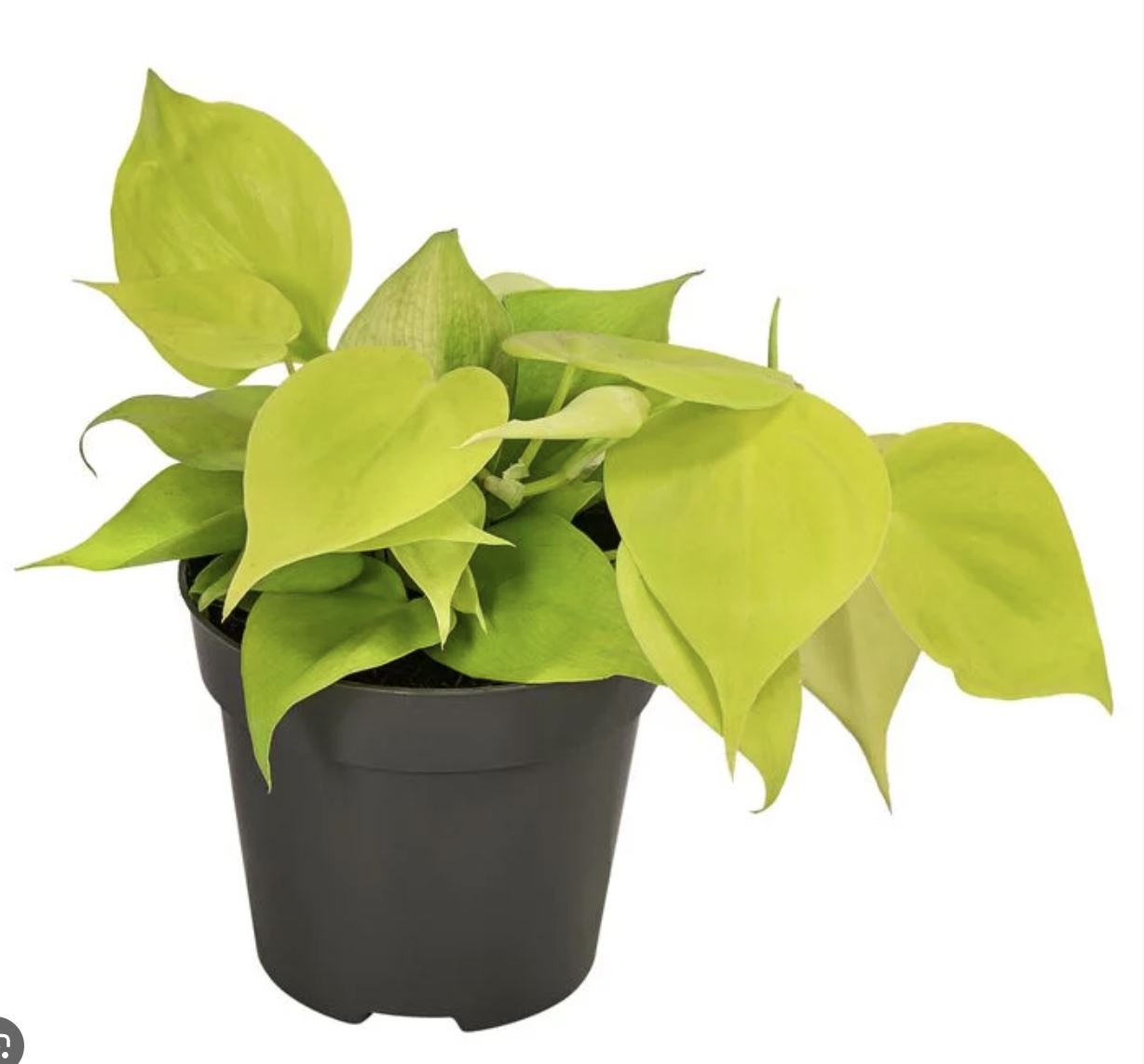
Philodendron micans 'Lime'

Philodendron micans 'Lime'

Velvet Philodendron / Lime Micans

FamilyArum family (Araceae)
OriginCaribbean, Mexico, Central America
Difficulty
●●○○○
Easy
Light needs
●●●○○
Medium
Water needs
●●○○○
Low to medium

Description

Philodendron micans 'Lime' is one of the most charming variations of the velvet Philodendron. Its heart-shaped leaves shimmer in luminous lime-green with a subtle, velvety bronze sheen — as if light were falling on silk. In the Living Plant Display it forms elegant cascading vines and adds a flowing, textile quality to the composition.

Care instructions

LightBright to moderate indirect light. More light produces a more intense lime colour. With too little light the leaves become darker and smaller.
WateringKeep evenly moist — let the top layer of soil dry. Robust against brief drought, but not against waterlogging.
Temperature18–27 °C. Never below 15 °C. Tolerates normal room temperatures very well.
HumidityPrefers high humidity — the velvety surface holds moisture better than smooth leaves.
FertilisingFrom March to September every 4 weeks with a green-plant fertiliser. Regular feeding supports colouration and fast growth.
Special note: The velvet surface is created by tiny hairs that scatter light diffusely, producing the characteristic shimmer.
Toxicity: Toxic — contains calcium oxalate. Not suitable for children and pets.
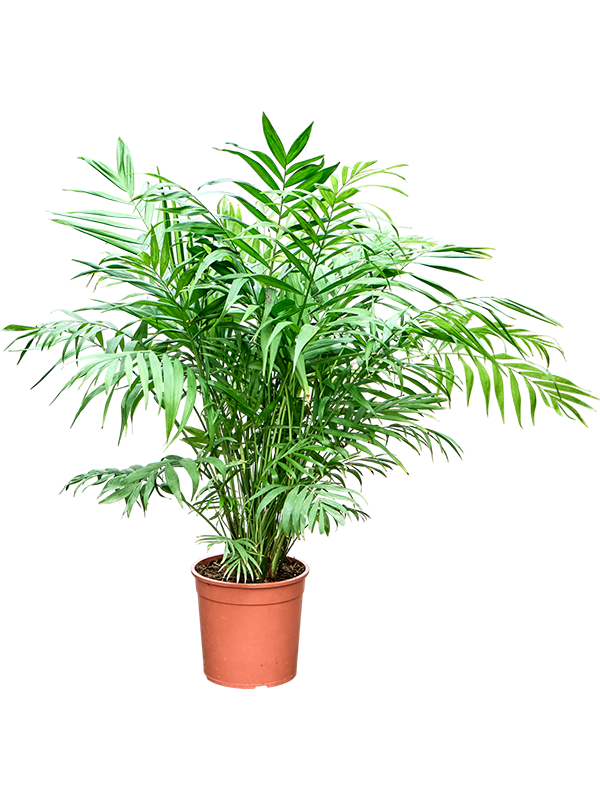
Chamaedorea elegans

Chamaedorea elegans

Parlour Palm / Neanthe Bella Palm / Good Luck Palm

FamilyPalm family (Arecaceae)
OriginMexico and Guatemala
Difficulty
●●●○○
Medium
Light needs
●●○○○
Low to medium
Water needs
●●●○○
Medium

Description

Chamaedorea elegans — the Parlour Palm or Neanthe Bella Palm — has been the most popular indoor palm in Europe for over a century. With its delicate, feathered fronds in luminous emerald green it brings genuine tropical flair. In the Living Plant Display it sets an elegant vertical accent and adds lightness and a touch of the exotic to the composition.

Care instructions

LightPartial shade to bright indirect light. Tolerates darker positions better than other palms. Avoid direct midday sun at all costs.
WateringKeep evenly moist — the soil should never dry out completely. Prefers lime-free water.
Temperature18–26 °C. Never below 12 °C. Sensitive to draughts and direct heating air.
HumidityPrefers elevated humidity (50–70%). Air that is too dry leads to brown leaf tips.
FertilisingFrom March to September every 4 weeks with palm or green-plant fertiliser. Pause in winter.
Special note: Demonstrably filters formaldehyde and benzene. Signals dry air through brown leaf tips — a natural hygrometer.
Safety: Non-toxic — fully safe for children and pets.
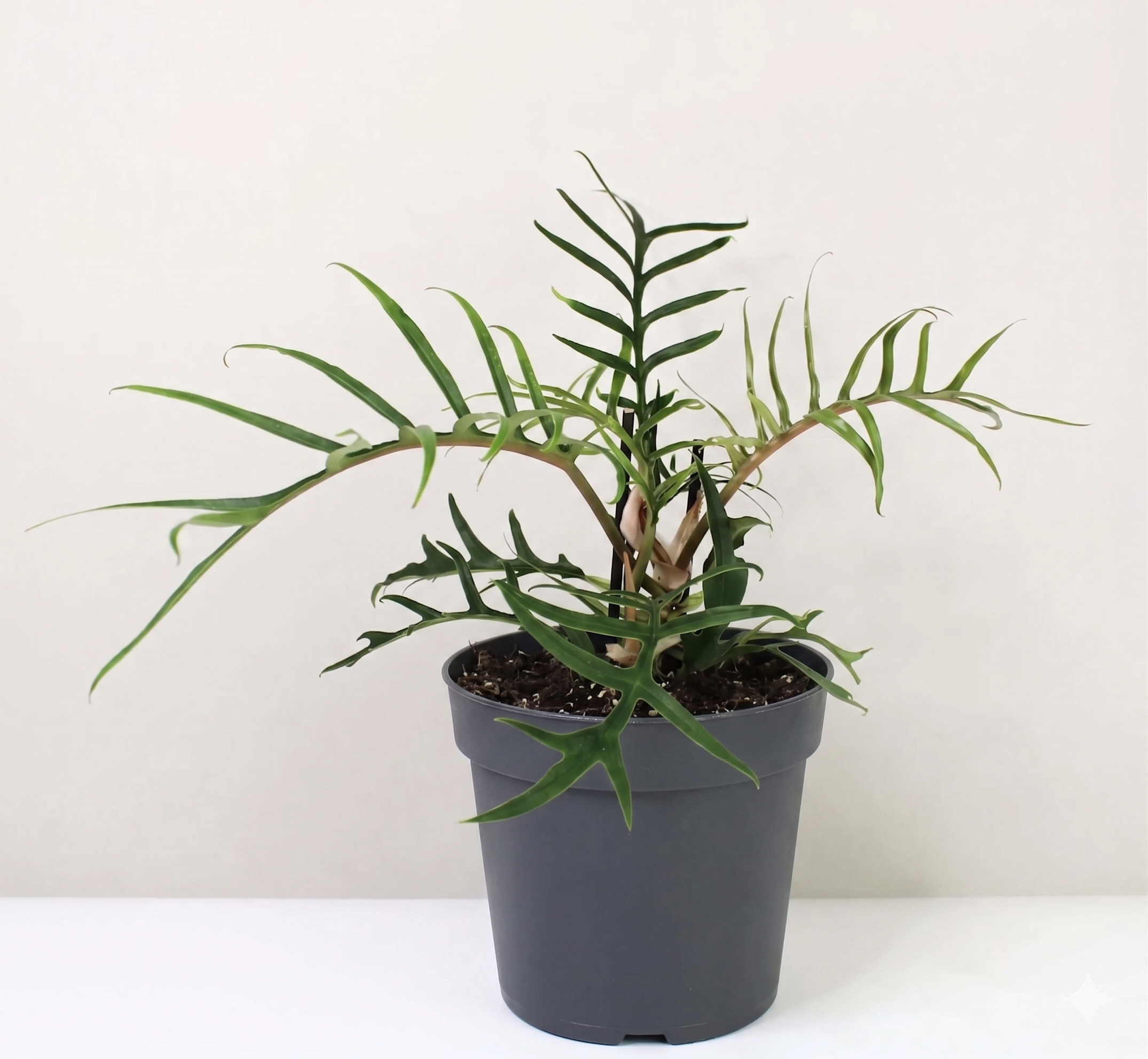
Philodendron tortum

Philodendron tortum

Fern-leaf Philodendron / Tortum

FamilyArum family (Araceae)
OriginBrazil (Amazon rainforest)
Difficulty
●●●○○
Medium
Light needs
●●●○○
Medium
Water needs
●●●○○
Medium

Description

Philodendron tortum is an architectural beauty: its deeply pinnate, narrow leaves resemble an exotic fern and give every composition an airy, almost sculptural elegance. In the Living Plant Display it forms delicate structures that hover like feathers between the rounder leaves of its neighbours — a modern, design-forward accent for plant lovers with an eye for the unusual.

Care instructions

LightBright indirect light. Avoid direct sun. With too little light the leaves are less finely lobed.
WateringKeep evenly moist — let the top 2 cm dry out slightly. Very sensitive to waterlogging; the EPD capillary system is ideal.
Temperature18–28 °C. Never below 15 °C. Loves constant warmth.
HumidityPrefers high humidity (60–80%). Feels particularly at home in the EPD community system.
FertilisingFrom March to September every 4 weeks with green-plant fertiliser at half dose.
Special note: A rare collector's species from the Brazilian rainforest. Young leaves are simpler; with age they become ever more finely divided.
Toxicity: Toxic — contains calcium oxalate. Not suitable for children and pets.
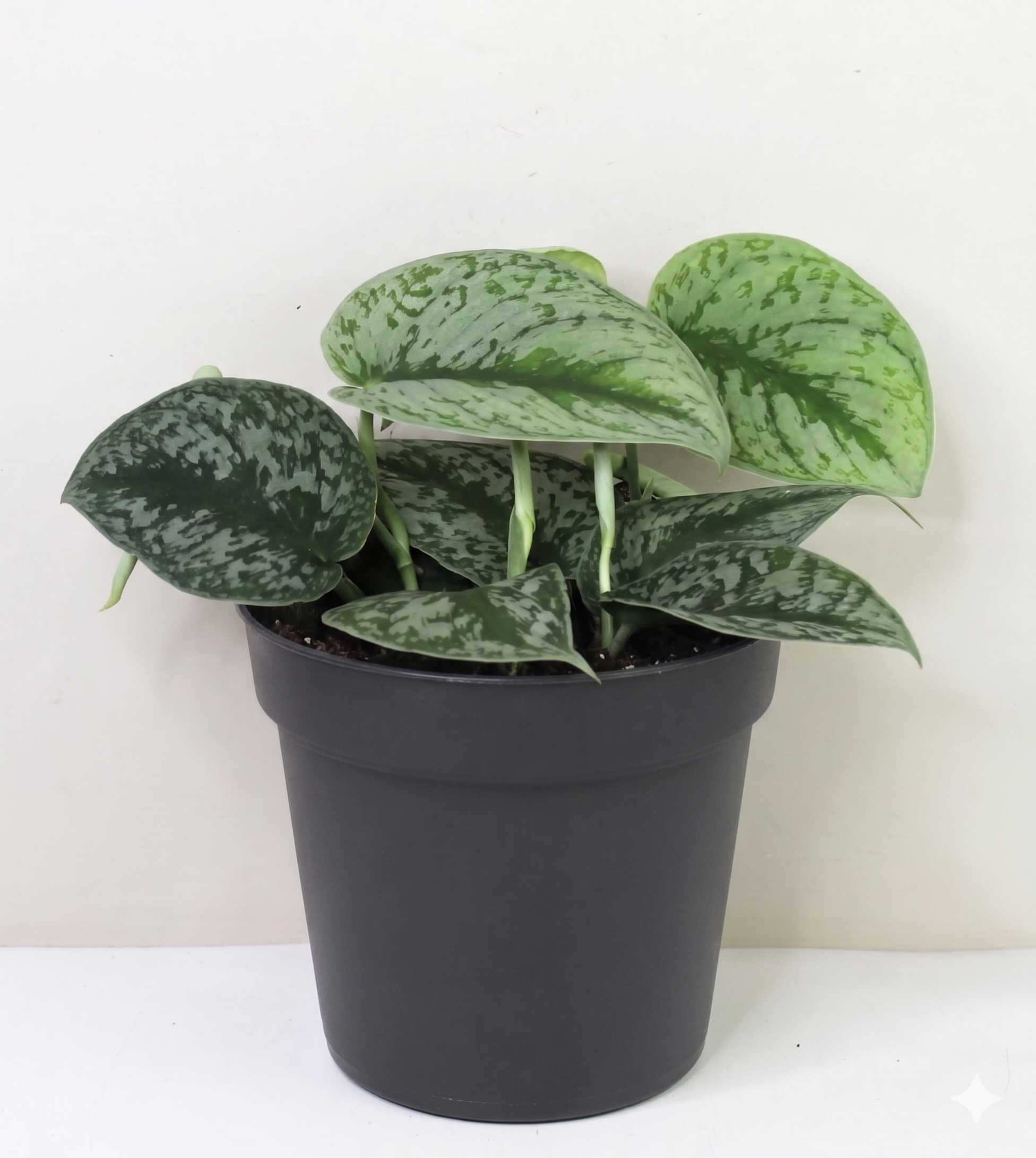
Scindapsus pictus

Scindapsus pictus

Satin Pothos / Silver Pothos

FamilyArum family (Araceae)
OriginSoutheast Asia (Indonesia, Malaysia, Philippines)
Difficulty
●○○○○
Very easy
Light needs
●●○○○
Moderate
Water needs
●○○○○
Low

Description

Scindapsus pictus is one of the most beautiful vining plants in the world. Its heart-shaped leaves are dark green with irregular silvery shimmering markings — as if dabbed on by a brush. In the Living Plant Display it forms softly cascading vines that bring movement and depth to the composition. Very robust, very decorative — a plant that thrives reliably even with little attention.

Care instructions

LightBright to moderate indirect light. More light intensifies the silver markings. Avoid direct sun.
WateringSparingly — let the soil dry out by 50% between waterings. Very sensitive to waterlogging; the EPD system is ideal.
Temperature18–28 °C. Never below 15 °C.
HumidityModerate to high. Tolerates normal indoor air but benefits from the shared humidity of the EPD.
FertilisingFrom March to September every 6 weeks with green-plant fertiliser at half dose. Slow-growing.
Special note: The silver markings are created by light-refracting air pockets just beneath the leaf surface — an optical phenomenon, not a pigment.
Toxicity: Toxic — contains calcium oxalate. Not suitable for children and pets.
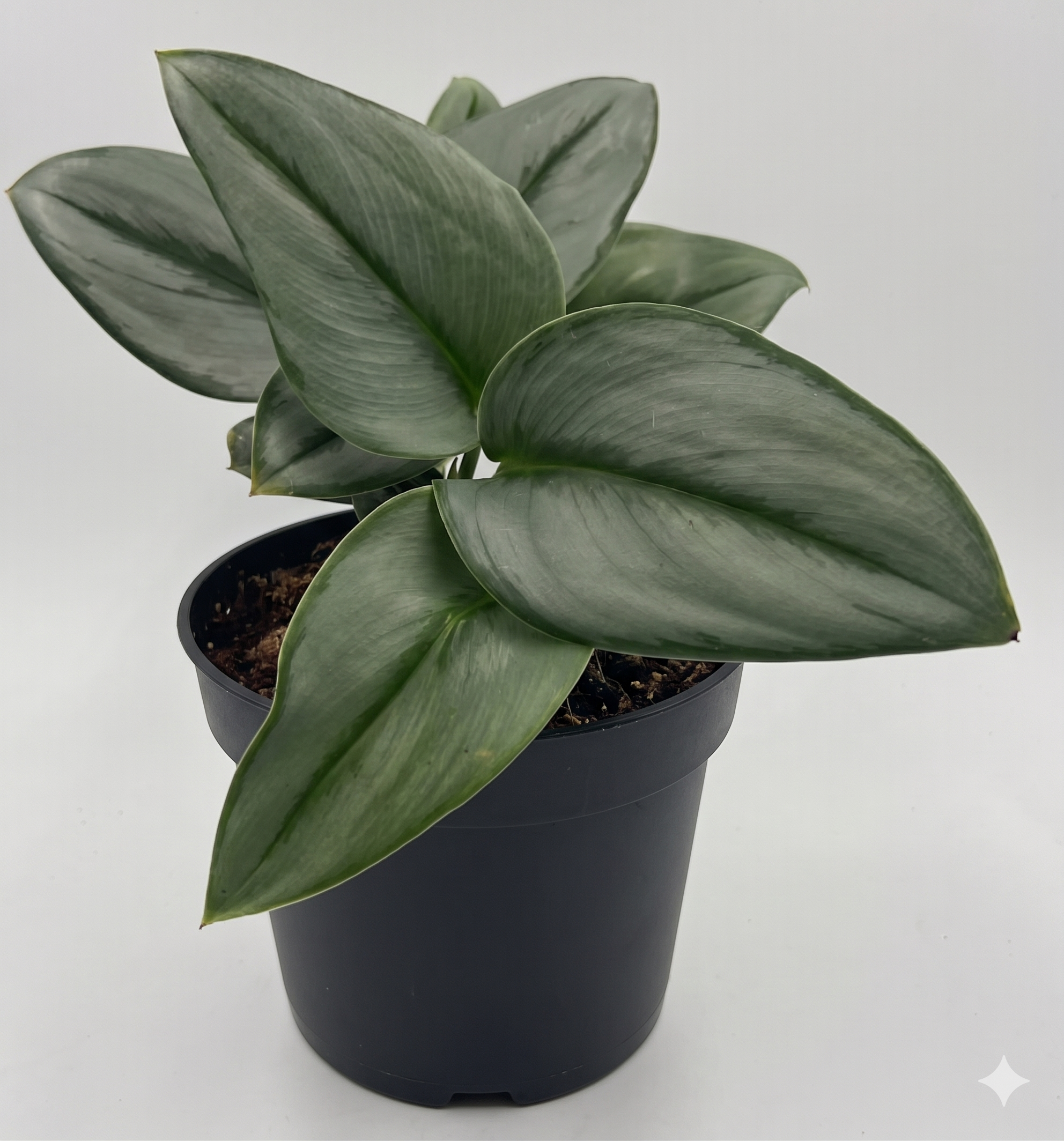
Scindapsus Treubii 'Moonlight'

Scindapsus Treubii 'Moonlight'

Moonlight Scindapsus / Sterling Silver Scindapsus

FamilyArum family (Araceae)
OriginSoutheast Asia (Borneo, Thailand, Malaysia)
Difficulty
●●○○○
Easy
Light needs
●●●○○
Medium
Water needs
●○○○○
Low

Description

Scindapsus Treubii 'Moonlight' is one of the most exclusive and sought-after houseplants in the world. Its heart-shaped leaves are held in a mysterious silver-grey that shimmers like moonlight — hence the name. A cool, silvery elegance that contrasts beautifully with the vivid green plants of the composition. A rarity that plant connoisseurs recognise at a glance.

Care instructions

LightBright to moderate indirect light. More light intensifies the silver colouration. Direct sun bleaches the silver tones.
WateringSparingly to moderate — let the soil dry out by 50%. Very sensitive to waterlogging.
Temperature18–30 °C. Never below 15 °C. Loves warmth, sensitive to cold and draughts.
HumidityPrefers elevated humidity (60–80%). The velvety leaf structure holds moisture better.
FertilisingFrom March to September every 6–8 weeks with green-plant fertiliser at half dose. Slow-growing — few nutrients needed.
Special note: A collector's rarity — among the most sought-after houseplants worldwide. The silvery shimmer comes from light-refracting cell structures.
Toxicity: Toxic — contains calcium oxalate. Not suitable for children and pets.

Which of these plants suits your location?

In a free 30-minute conversation we'll talk through which composition fits your wall and your daylight conditions.

Request consulting To the shop